
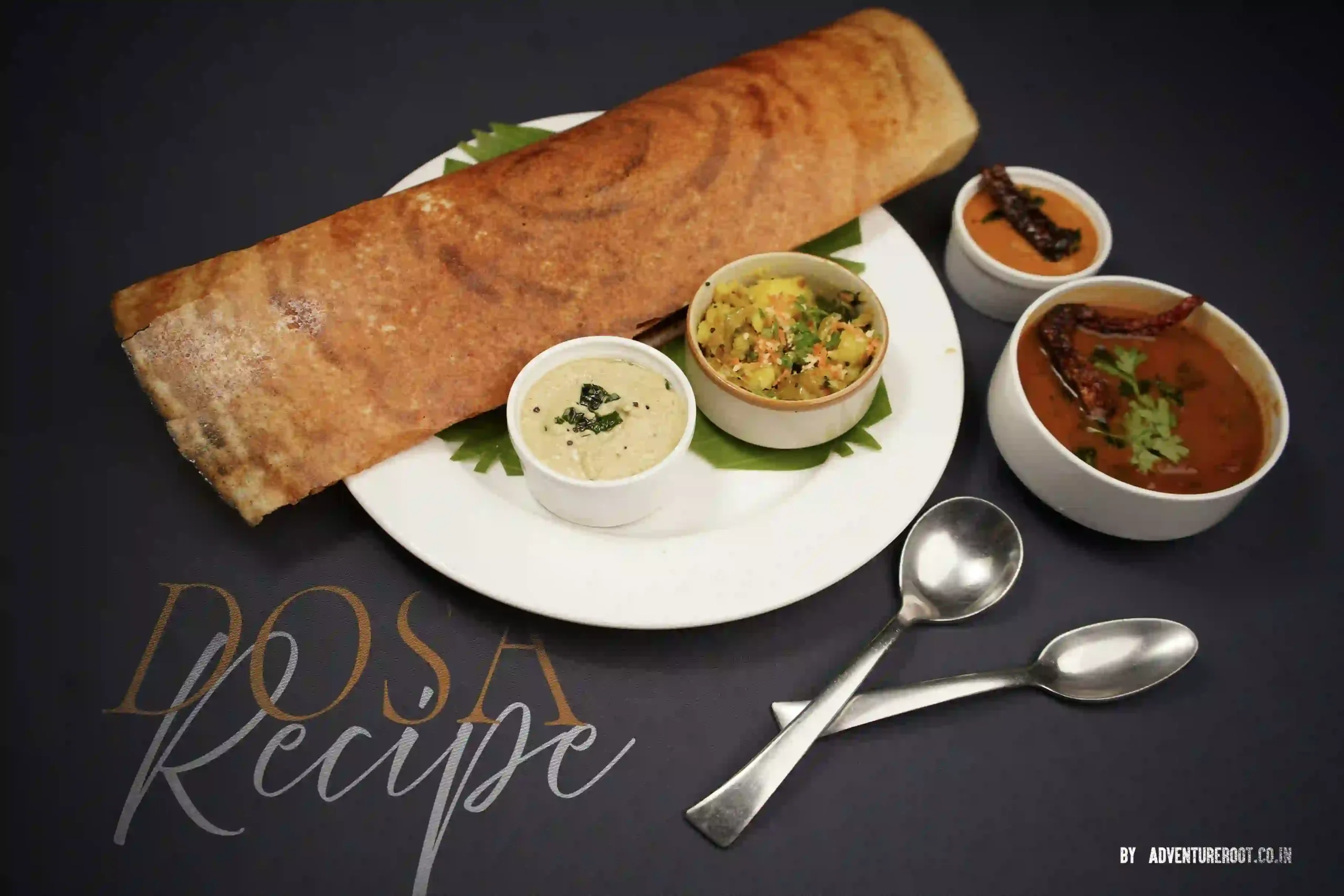
Dosa’s are a famous dish among South Indian people and experienced global acclamation because of its slimmer and crunchier texture. While making them at home may look so complicated it is easier than you can imagine to pull through and make them on your own. Even making the batter for the cakes and then pouring it onto a hot pan to have a uniformly browned surface all the time starts with it. Always, start a practice to hone the set skills and savor the improved outcome resting on the dish in front of you.
Table of Contents
Introduction
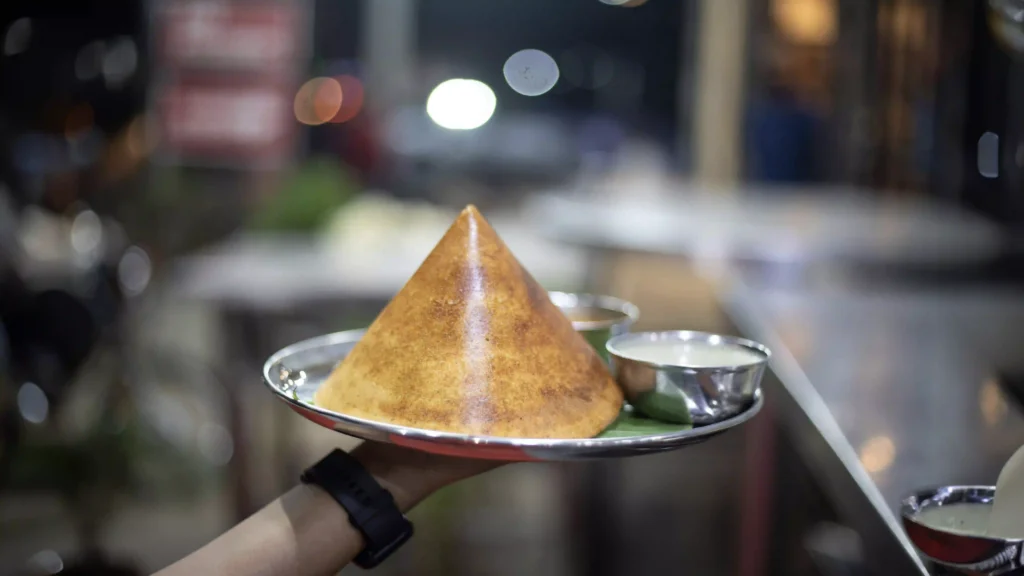
Soft and tender from the inside, crispy on the outside and golden brown in color, Dosas’s are quickly becoming a global favourite. On its preparation, it may seem quite complex to prepare, however, preparing the recipe in your own home is less complicated! To be used from batter to the griddle here are the making tips to ensure you get the best dosa. Therefore, just as with most dishes out there, it is about time that we began exploring this beloved dish, more specifically, now that you know how to crack open a coconut, right?
What is Dosa?
It is about crepes that are thin, crispy crust with tender texture in the middle part and the taste that is quite sour and savory. That’s dosa in a nutshell! An un-leavened pancake of fermented batter of raw rice and black gram lentils, It is a very cooked dish which can be served plain or with stuffed spices of spiced potatoes,or with chutneys and sambars . There are different ways of preparing the base of the recipe and as tasted through the age, century, region by region.
Origin of Dosa
Dating back over 2000 years, dosa also finds its context in Tamil Nadu and Karnataka specifically Southern India. This rice dish is at least as old as the Tamil literature that has been carried down through the ages. It emerged after centuries and received its momentum and people of India came to love it, enjoy it as an icon of crispy food and having its taste having its presence felt in most of the regional cuisines of the country.
Why Dosa is a Beloved Dish?
It is favored for the delicious flavor it possess along with the ability to be accompanied by different foods. It originated as a plain dish but can be filled with spicy potatoes (masala dosa) and a lot of other forms can be derived depending on the type of ingredients used in the preparation of the recipe and type of spices used.
Essential ingredients for Recipe
The preparation of this recipe involves few ingredients, but the key to the success of this food is the method of preparation.
For Preparation of Batter
- Rice – 1 cup (preferably both short round grain rice such as sona masoori along with long grain parboiled rice).
- Urad dal – black skinned lentils which are split – ½ cup
- Fenugreek Seeds – ½ teaspoon
- Water – to be used when soaking and grinding.
- Salt – to taste
For Preparation of Dosa
- Oil or Ghee – for conformity of the consistency of the base to that of the vessel to be used for its application.
- Other Side Items – like mashed potatoes, vegetables or cottage cheese.
Essential tools for making recipe
As much as making the recipe is easy, having the right tools goes along way in making the final product just perfect.
Tools used for making the Recipe
- The non-stick or cast iron tawa also known as griddle
- Spreading dish for the batter
- Bowl for soaking ingredients
- Pan for mixing the batter in a grinder or blender
Making of Batter
1. Soak the ingredients
It is only necessary to first wash the grains and then soak them in water for some time: rice, black lentils and methi seeds. Here’s why: These two ingredients enhance the suitable fermentation of the batter so that it produces the right texture for a good dosa. I used the short grain rice and rinsed and soaked it for 4-6 hrs and the urad dal for about 2-3 hrs. If the beans are still sticking together after rinsing, soak them again and after they swell, wash them several times to eliminate the starchy liquid.
2. Grind the items to Perfection
The best and quick way of making the dal and seeds fine is by using a high powered blender: Begin by grinding the urad dal and fenugreek seeds separately. Pour as much water as will give you a smooth texture and a light, airy batter. Pour it to another large bowl which must be perfect in measuring cups. Second, wash the rice, let it drain and then milling the rice using a small amount of water to a semifluid, not very smooth but a little grainy. Add both mixtures in one another and stir till you get a homogenous mixture. The mixture should be ideally in consistency with that of a paste used to batter the pancakes.
3. Let the Batter Ferment
Fermentation is key! Pour the batter to a warm, cozy part of your kitchen and let it rise for 8-12 hours or during the night. The batter area will increase in volume, the mix will become frothy and have faint sour smell. For those who like the traditional dosa, this is just the right thing.
Making of Recipe
1. Preheat and Grease the Pan
Place the Oven on the medium high option or use a cast-iron griddle, or any non-stick pan. Generously butter the bottom and sides of the pan or use ghee; and then wipe clean. This is important—too much oil will make the recipe fail to be crisp.
2. Spread the Batter
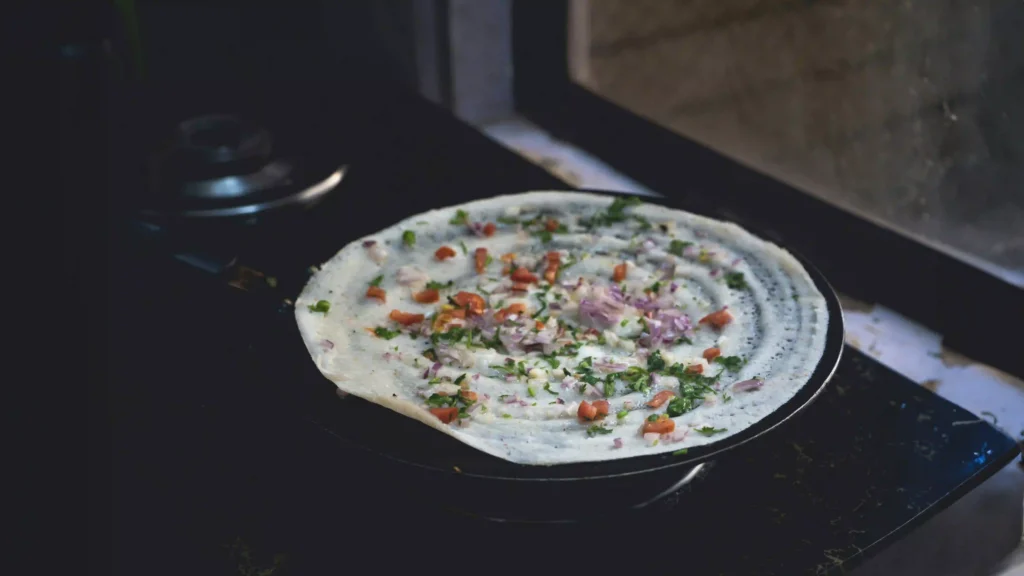
With this ladle scoop a big amount of batter and with the help of another ladle place it on the middle of the hot pan. With the back of the ladle, spread the batter in outward, circular style to form a very thin layer on the top of the baking tray. The reader should bear in mind that thinning the spread does not necessarily make it crisp but should aim to have a consistent spread on the workbench.
3. Cook to Golden Brown
Pour little oil or ghee around the sides of it and let it cook for around 1-2 min when the color starts turning to brown. No need to flip! The underside should be completely browned and crunchy; the surface of the dosa slightly slightly raised off the pan when it’s ready.
4. Add Fillings (Optional)
At this stage if you are applying fillings do so by putting a small quantity of the spiced mashed potatoes or any other preferred fillings right at the middle of the creation. When included, then can be easily folded and to capture the best experience, it should be well cooked, hot when served.
Classic Dosa Accompaniments
Coconut Chutney
A smooth paste made from coconut, green chilies and roasted gram, coconut chutney cannot be missed! Mix these with salt and a little of water to get the smooth, dipping worthy chutney.
Sambar
Sambar is a sour and mildly hot lentil, tamarind preparation usually accompanied by vegetables such as drumstick, carrots and tomatoes. To accompany your dosa best, it is finest served right alongside the dish.
Tomato Chutney
For a little spiciness, tomatoes, onions, and spices tomato chutney is the best side to eat with the chapati.
Variation of Dosa
Try not to stay with the traditional moderate palate of Masala and instead try Cheese sort or any kind which you desire to have.
Masala Dosa
Masala Dosa Covered with a layer of spiced potato, Masala Dosa is the most common variation and introduces a wonderful flavoursome stuffing to the dosa..
Onion Dosa
Crispy onion dosa is a deliciousness of South India a dish made from raw getting and finely chopped onions with a hint of sweetness to the crisp dosa. Frequently’ rubbed with onion slices on the pan it eases the flipping and non-stick cooking process.
Cheese Dosa
Spread a handful of grated cheese over it as it cooks. It melts perfectly well and gives it a lucky layer of Cheese which well blends with the dosa.
Serving Suggestion
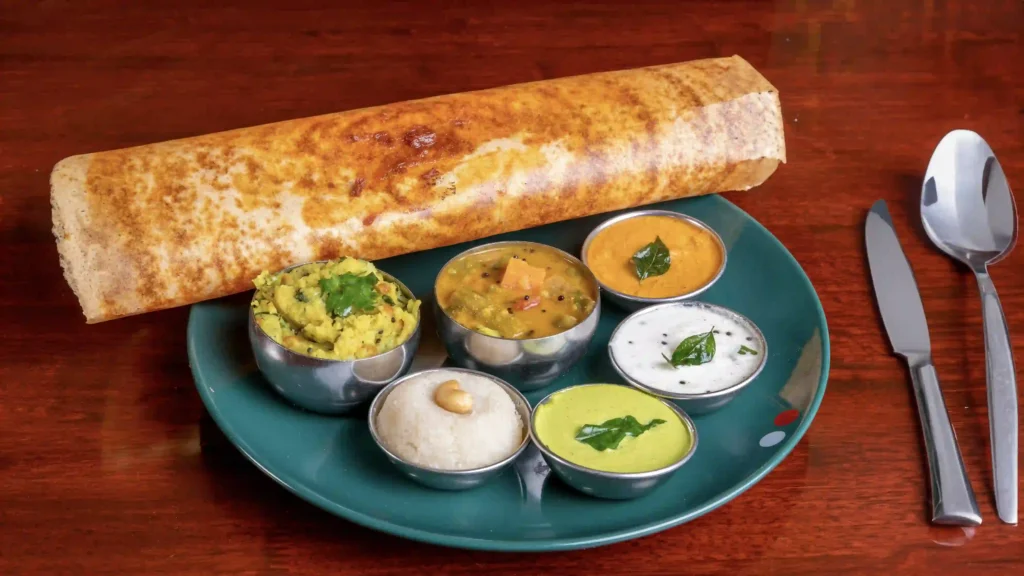
I recommend accompanying with coconut chutney for a mild tangy taste and fish spicy tomato chutney and the tastes enhancing sambar. To finish this, you can eventually add a spoon of ghee on top or serve it with a hot cup of filter coffee.
Pro tips for making Perfect Recipe
- Choose the Right Pan: You want to cook these on a well-seasoned cast iron pan or on any non-stick griddle you fancy.
- Adjust Water in Batter: It should be easy to pour ideal for the batter, but should not be slippery in consistency.
- Fermenting in Colder Weather: Transfer your batter to the oven where there is a light ON so that fermentation may take as less time as possible.
Common Mistakes to avoid while preparing the recipe
- Batter won’t ferment: Check the proportionality of consumption of rice and urad dal. It should be warm, preferably in moderate temperatures (with the oven’s light on to contribute to fermentation).
- It sticks to the pan: “I should always warm up the pan and use a little amount of oil.” Scrape of excess oil before pouring the batter.
- It isn’t crispy: Pour the batter lightly and fry in high heat. Use heat control to the best attainment of that nice crispy texture.
Health benefits of Dosa
In a bid to find out why it has become a favorite dish, you are welcome to join the discussion. Here’s a look at its nutritional goodness:
- High in Protein: With an ingredient like urad dal in it, dosa is also a good player in providing the body with plant base protein.
- Low in Calories: However when prepared with relatively little oil, then the dosas are more or less low caloric articles of food.
- Fermentation Boosts Digestive Health: The fermentation process convert the starches and thus it will be easy to be digested.
- Rich in Carbohydrates: For vitality, particularly when taken more than a cup of cereal, or as a mid-afternoon pick-me-up.
FAQ’s
1: How do I make dosa without fermenting the batter?
In order to make a dosa without any fermentation just grind the rice and urad dal which is soaked together to a fine paste. For leavening, put baking soda, and then spread it over a hot skillet. Cook until crispy. It is best served with chutney or sambar to complete your meals.
2: How do I make my dosa batter last as long as possible?
It is best to keep the batter immersed in the refrigerator for about a week. Stir it well before use.
3: Tips on making dosa not to stick on the pan.
Recommended use of the pan requires that it should be hot and greased lightly. Having a cast iron pan makes it easier to prepare the dosa’s texture does not stick to the pan.
4: Is it okay to use filtered brown rice for dosa batter?
Yes, for making a healthier version modification is possible with brown rice but texture of dosa will not be same.
5: How to make dosa crispy?
Pour the batter very thinly on the hot pan – some oil around the edges and fry until golden brown. This makes dosa crispy and they simply served it and handed over the chutney and sambar separately in a small bowl.
Try other Mouthwatering Recipes:
Bhaut acha laaga aapka dish ek dum proper recipe dia chatni ka bhi Dena tha acha hota
jarur next time se jarur khayal raakhenge. than k you comment ke liye.