

Introduction
If ever you wanted a dish, that brings out the extra ‘proper’ kick of flavor plus a tiny tale behind it ‘hello!’ Champaran Handi Mutton means far more than the dish prepared of mutton; it’s about history, tradition and taste. This yummy dish originated in the Chopraman area of Bihar which depicts the traditional taste of Bihar. If you are, lets submerge ourselves in to this scrumptious Prometheus. Let’s get cooking!
Table of Contents
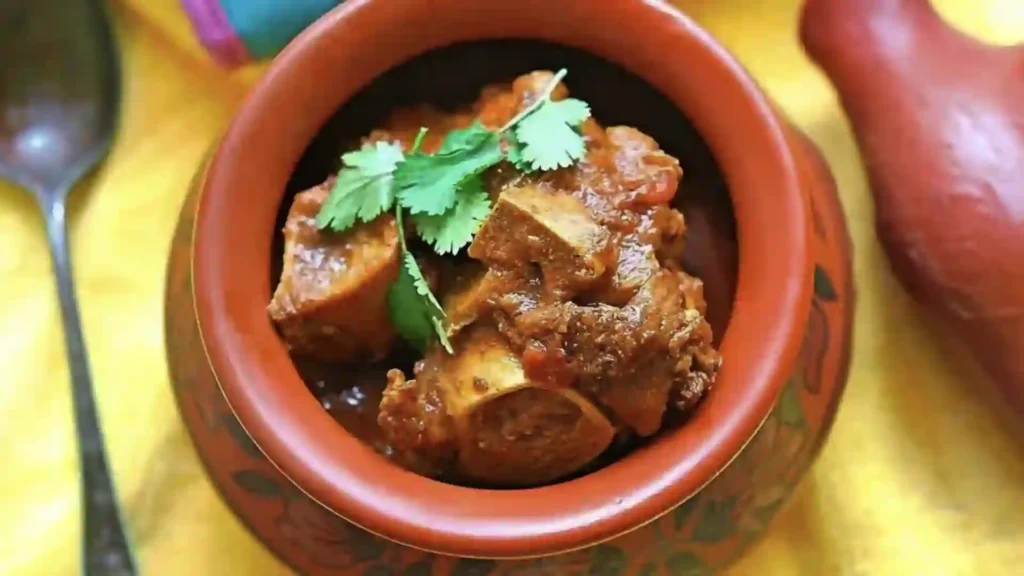
What is Champaran Handi Mutton?
Historical Background of Champaran Handi Mutton
Unfortunately, Champaran Handi Mutton is not just a dish; it carries an age-long history with it. This dish has its origin from the hears of most households in the region where mutton used to be a popular meat. This slow-cooking technique adopted in this recipe proved useful in helping the meat soak all the spices making the resultant taste outstanding. Using a handi which is a clay pot for cooking is essential the taste that comes with it is unique.
Cultural Significance
Ahuna or Batlohi, Champaran Handi Mutton is the pride of Bihar’s Champaran. This mutton curry slow stew is famous Bihar dish and is cooked in a clay pot (handi). Spiced with garlic and onions and rarely with other spices, the dish is considered to have a typical peasant flavor and is traditionally prepared by a group of people. It also became well known as Champaran was already famous due to being the location of Mahatma Gandhi’s the first Satyagraha movement.
Ingredients: What You’ll Need
So let’s gather our materials, or in other words, ingredients. So many people often emphasize that a great meal starts with the right components!
Meat Selection
In general, for prepare Champaran Handi Mutton is selected bone-in mutton, which preferably can be taken from a young goat. The cuts should be from the leg, shoulder, or ribs since they contain fat and other connective tissues that soften as the stew cooks slowly. Including bones gives the meal a better taste because they create juice that settles at the bottom of the pot including a tasty marrow. Meat gets tender when slow cooked in a closed handi and also it absorbs the flavors well.
Spices and Seasonings for Champaran Handi Mutton
For the Marinade:
Mutton: initially one kilogram but preferred is the meat from a young goat for tenderness
Onions: 3 large, finely sliced
Garlic: 10 cloves, minced
Ginger: 1-inch piece, grated
Green Chilies: 3-4, slit
Yogurt: 1 cup, whisked
Red Chili Powder: 2 tablespoons
Turmeric Powder: 1 teaspoon
Garam Masala: 1 tablespoon
Salt: to taste
Fresh Coriander: a handful of the leaves, chopped, for garnish
For Cooking:
Mustard Oil: 4 tablespoons
Clay Pot: 1 piece
Whole Spices:
Bay Leaves: 2
Cloves: 4-5
Cardamom: 4
Cinnamon Stick: 1-inch piece

Cooking Equipment
Selecting the right tools for the recipe will make your cooking experience much smoother.
Essential Utensils
The most essential utensils for this recipe is the clay pot. It is the most vital part of the recipe but remember while selecting the clay port it should be a heavy bottom clay pot. Apart from the clay pot you will need a sharp knife, a chopping board, a mixing bowl. All this is essential for the cooking of the recipe.
Preparation steps for Champaran Handi Mutton
Since all of the above ingredients and equipments are ready. We are ready to dive in the preparation of cooking the recipe.
Marinating the mutton
Step 1: Marinating the Mutton
- Mix the mutton pieces with onions, crushed garlic, grated ginger, green chilies, yogurt, red chilli powder, turmeric powder, garam masala and salt all in a large bowl.
- Stir well in order that all the pieces are covered homogeneously.
- Pick the bowl and earmark the mutton to marinate for as long as four hours, ideally when asleep in the refrigerator to draw the utmost taste from the ingredients.
Step 2: Preparing the Handi
- Using a heavy bottom handi or any earthen pot for this recipe is the best. If you do not own a handi then you can use a Dutch oven.
- Warm mustard oil gently on a medium flame and continuing till it starts smoking. Reduce the heat to low.
- Submerge the bay-leaves, cloves and cardamom, and cinnamon in the hot oil. Sauté for a minute until it goes aromatic.
Step 3: Cooking the Mutton
- Pour the marinated mutton stew along with the marinate into the handi.
- Mix properly so that the spices rub on the mutton pieces.
- Place the handi back and allow it simmer for about 3-4 hours on low heat while covered.Stirring is also important to regulate the heat low to have the mutton tender in order to absorb the spices.In case you are using traditional method, you can also cover the handi with dough in order to make the steam to stick on the handi hence improving the cooking.
- Stir gently and occasionally and if the mixture is very stiff, add a little water into it.
Step 4: Final Touches
- After the mutton is cooked also check the tenderness and also the will see that the oil floats on the gravy then check for salt.
- Before serving, sprinkle this dish with newly chopped coriander.
Serving Suggestions
Once your handi mutton is ready after giving the final touches. It is ready to serve.
Best Accompaniments
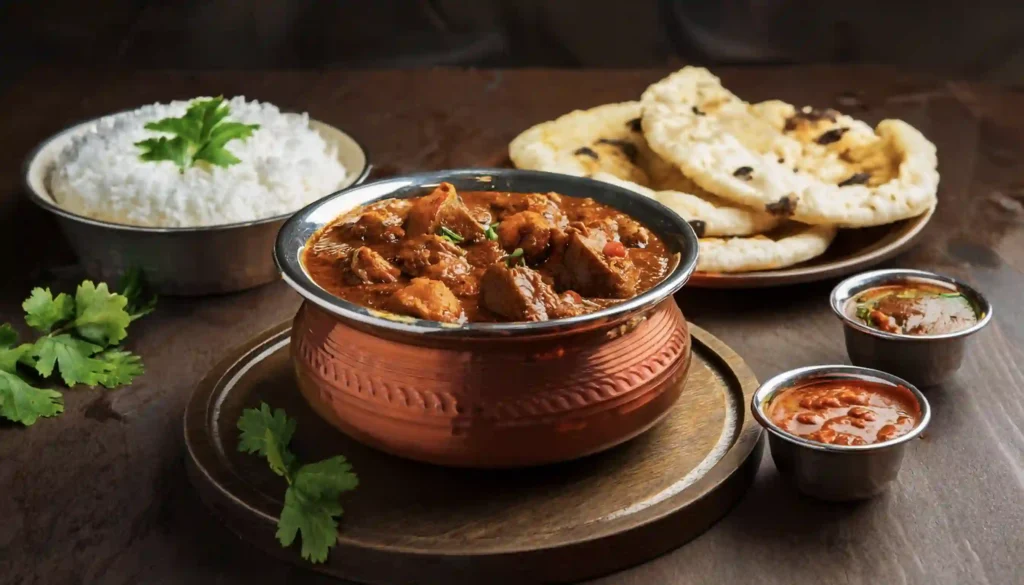
The Champaran Handi Mutton Is usually served with steam rice, naan, or paratha. Dont forget to garnish the days with fresh Cilantro and green chillies for a pop up colour and flavour
Tips for Perfect Champaran Handi Mutton
- Quality of Mutton: Mutton should also be fresh tender to get the best of the recipe.Where possible, opt for the meat from young goats.
- Marination Time: Depending on the portion of meat, the longer that it is left to marinate the more juice and tender it will become.Ideally the pieces should be marinated overnight.
- Cooking Technique: There is only one thing that is mostly required in cooking this dish and it is time. The method is used in order to tenderize the meat causing the fibers to breakdown hence why the meat is very tender.
- Spice Balance: The level of spices used depends with the preference of the user. For a less spicy one dilute the amount of red chili powder and reduce green chilies.
- Earthen Pot: Adding a handi also gives the dish a somewhat different twist.It may not available to you but if it is well then its wise to use it.
Common Mistakes to Avoid in Champaran Handi Mutton
- Be patient: do not marinate the fish at high speed through the process. Omitting it will affect the taste of the meal and that won’t be good for anyone.
- Be sure not to cook on high, the high heat could make the meat especially tough.
- Be cautious with spices. Use according to your preference but this should not spoil the meal.
Conclusion
When it comes to Champaran Handi Mutton, it goes far beyond what is considered being a dish and enters the realm of Read More Read More.When you are seated at the table making a mouth-watering meal out of it, retain this in mind; cooking is about sharing love.Therefore put on your apron and invite your friends and family to enjoy this wonderful and fun dish.Have fun while cooking and the result is in the process, cheer.
FAQ’s
1. Is it possible to substitute chaaringo with mutton?
Absolutely! You can make this recipe using chicken and it is advisable to reduce the cooking time as it will take much less.
2. What should I add in order to intensify the spiciness of this dish?
For even hotter food, use more red chili powder in your recipe or cook with green chilies. As always, just make sure you do not go overboard!
3. So, do you have a vegetarian version of this dish?
Yes! For a vegetarian dish, replace mutton with paneer or dedicated vegetable preparation of potatoes, carrot, and green peas.
4. Can this be prepared in advance?
Yes, you can prepare it a day ahead of the time you intend to use it. Actually, leaving it to sit overnight even improves the tastes. Simply reheat before serving, you don’t need much heat to warm it up again because the moisture will handle a lot of the work.
5. How should the leftover be kept?
In cases where there are leftovers they should be stored in an airtight container and placed in the refrigerator. It’ll be finer than the normal size but they will take about 2-3 days to last. Yummylabs tip 4: reactions of spices with other spices; or with meats, poultry, fish or vegetables revealed; enjoy again only after reheating the meal adequately.